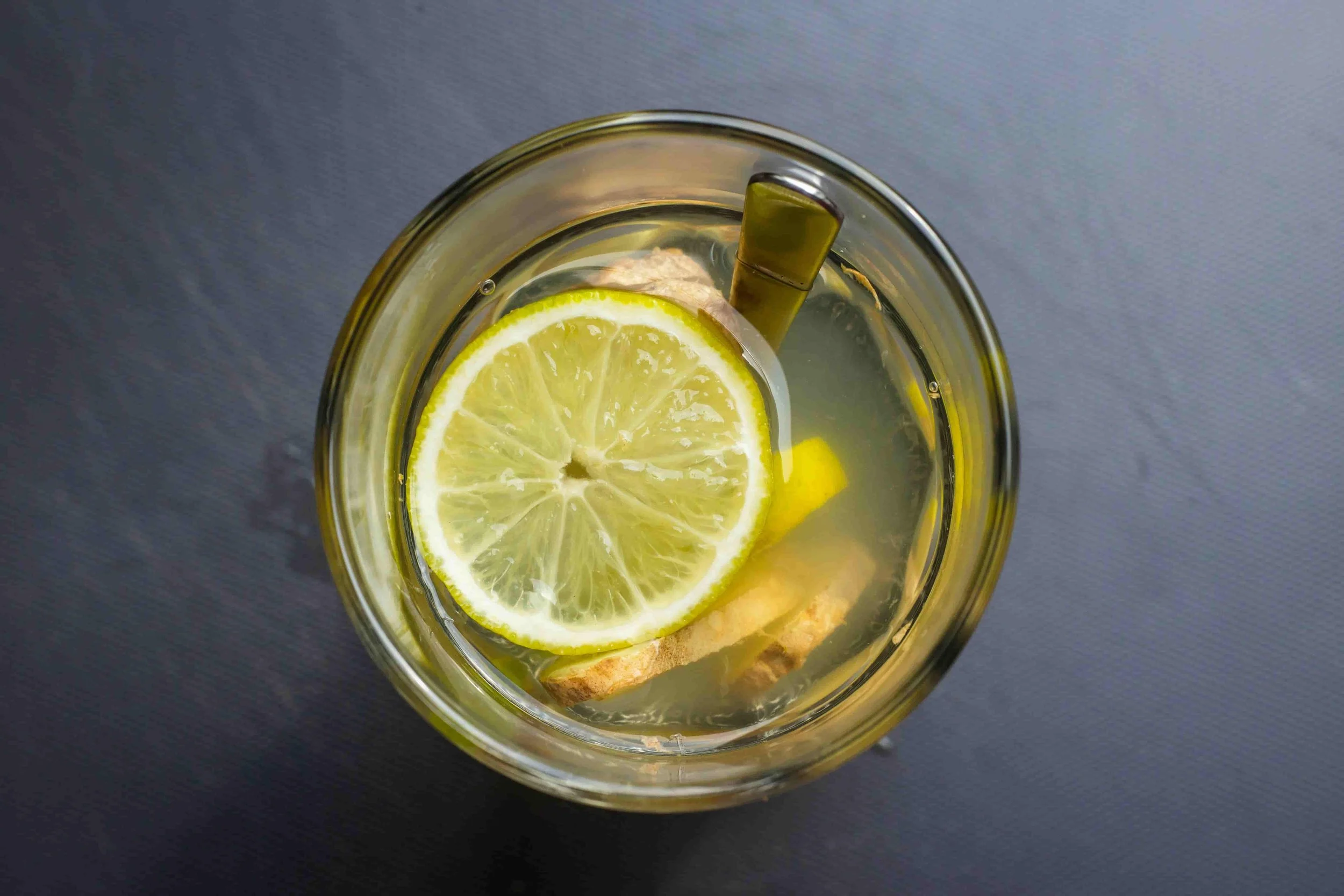
The viral lemon and olive oil morning drink: miracle health hack or overhyped trend?
Every few months, a new wellness ritual takes over social media, and right now, it’s the lemon and olive oil morning drink. Supporters claim it can “detox” the body, cleanse the liver, improve digestion, flatten the stomach and even accelerate fat loss. But as with many viral wellness trends, the science is far more nuanced than the headlines suggest.
So what’s actually going on here?
Why people are drinking it
The typical mix is extra virgin olive oil with fresh lemon juice, often taken first thing in the morning on an empty stomach. The claims usually include:“detoxing” the body stimulating the liver improving digestion supporting fat loss. But these claims oversimplify how the body actually works. Your body already has highly efficient detoxification systems, mainly the liver, kidneys, gut, lungs and skin, working continuously without the need for any special drink or cleanse. There is currently no strong scientific evidence that lemon and olive oil “detox” the body in the way often promoted online.
The problem with the word “detox”
In nutrition science, “detox” is often misunderstood. Unless someone has a medical condition affecting liver or kidney function, the body is already effectively processing and eliminating waste every single day. No drink, juice or supplement replaces: sleep, fibre intake, hydration, movement, stress regulation and overall dietary balance. These are the real drivers of metabolic and detoxification health.
What the science does support
This is where things become more interesting and more nuanced.
🍋 Lemon and digestion
Lemon juice is acidic and may stimulate digestive secretions, including stomach acid and bile flow in some individuals. This could potentially support digestion, especially for people who feel sluggish in the morning. Lemon also provides vitamin C and may encourage hydration upon waking, a simple habit that can be beneficial for many people. However, direct clinical evidence on lemon water specifically is limited.
🫒 Olive oil and gut health
Extra virgin olive oil is one of the most studied fats in nutrition science. It contains: monounsaturated fats polyphenols and antioxidant compounds. Research suggests olive oil, particularly within a Mediterranean-style diet, is associated with improved cardiovascular health and reduced inflammation. Emerging research also indicates that olive oil polyphenols may positively influence the gut microbiome by supporting beneficial bacteria and reducing inflammatory processes. However, these benefits are seen within overall dietary patterns not from a single shot taken in isolation.
So… is it actually healthy?
Potentially but not in the way it’s usually marketed. This drink may: support hydration gently stimulate digestion, provide healthy fats and antioxidants and encourage mindful morning routines.
The bottom line
The lemon and olive oil morning drink sits in a familiar space in nutrition trends: Not useless… but heavily exaggerated. It’s a simple habit that may have mild benefits for some people, especially when part of a wider healthy lifestyle. But the biggest misconception is thinking it has “detoxifying” or transformative powers. Real health outcomes come from consistent behaviours over time, not isolated wellness rituals.
References & evidence
Research on extra virgin olive oil suggests its polyphenols may positively influence gut microbiota composition and inflammatory markers, particularly within Mediterranean dietary patterns.
https://www.frontiersin.org/journals/plant-science/articles/10.3389/fnut.2023.1272139/full
Mediterranean diet research shows associations with improved gut microbiome diversity and metabolic health, where olive oil is a key component.
https://pubmed.ncbi.nlm.nih.gov/35361035/
Scientific consensus on detoxification highlights that the liver, kidneys, gut and skin are the primary organs responsible for toxin processing, with no need for specific detox drinks.
https://www.healthline.com/nutrition/lemon-juice-acidic-or-alkaline
Evidence for lemon’s digestive effects is limited, though it may stimulate gastric secretions and bile production in some contexts.
https://www.medicalnewstoday.com/articles/322879
Emerging research continues to explore extra virgin olive oil’s effects on brain health, inflammation and gut microbiota, though more controlled human studies are needed.
https://www.verywellhealth.com/extra-virgin-olive-oil-brain-health-benefits-11927097