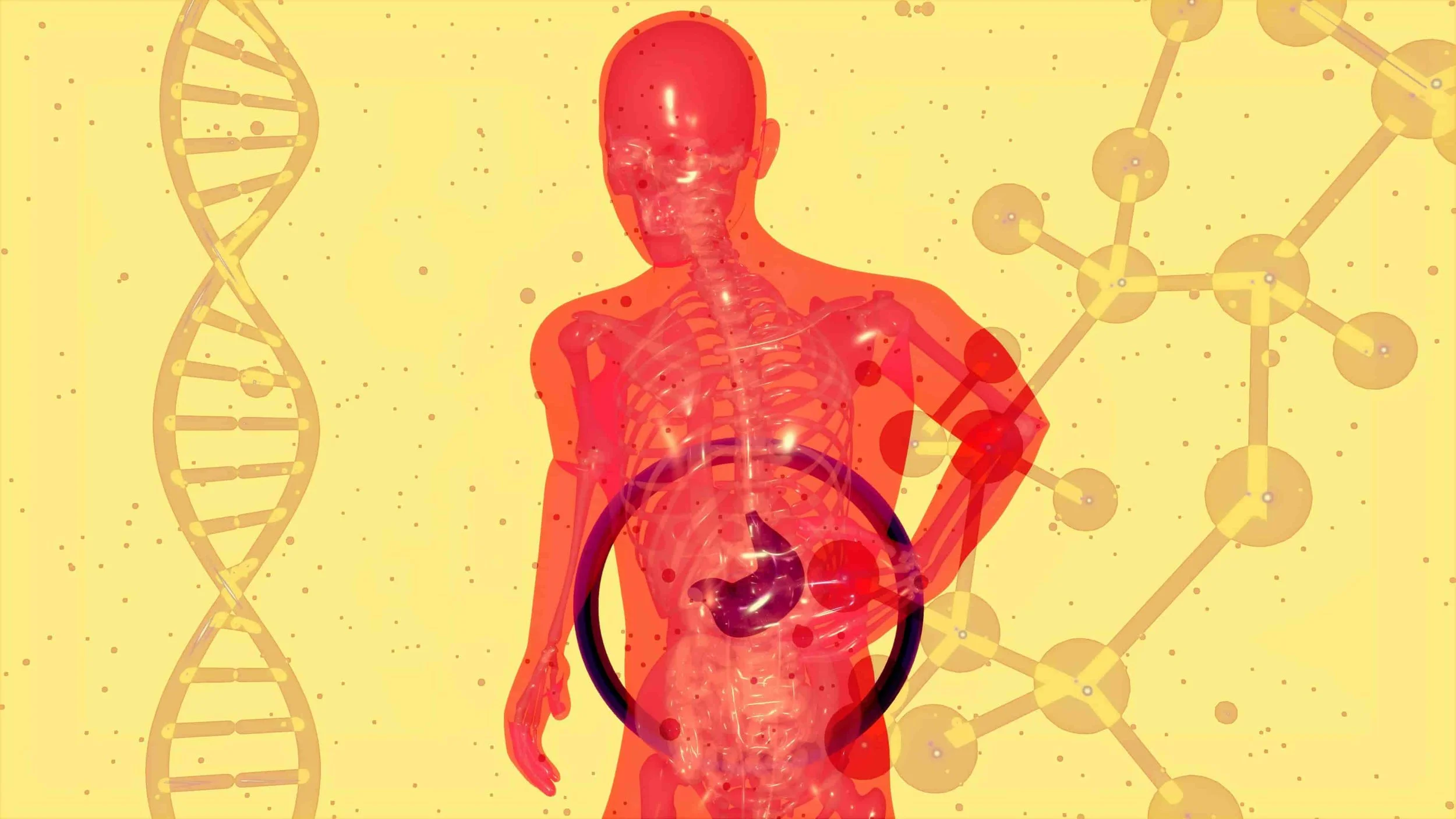
The Gut–Brain Axis Explained: How Stress Affects Digestion (and Vice Versa)
Mental Health Awareness Week
Many people experience digestive symptoms during times of stress, such as bloating, nausea, appetite changes, or stomach discomfort, without actually realising there is a strong link between the brain and the gut. This connection is known as the gut–brain axis, and it plays a key role in both mental health and digestive health. As a nutritionist, I often see clients struggling with symptoms that sit at the intersection of stress, anxiety, and gut dysfunction. Understanding this connection can be a powerful step toward better overall wellbeing and allowing you to get back to feeling like yourself.
What is the gut–brain axis?
The gut–brain axis is a two-way communication system between the central nervous system (brain and spinal cord) and the enteric nervous system (the nervous system of the gut). This system involves:the vagus nerve, neurotransmitters (such as serotonin), the immune system, hormones and the gut microbiome. Research shows that the gut and brain are in constant communication, influencing both emotional wellbeing and digestive function. (Mayer, 2011)
How stress affects digestion?
When the body experiences stress, it activates the sympathetic nervous system, also known as the “fight or flight” response. This was need when we were fighting bears for survival, however it’s not really needed when all we are receiving is a stressful email! In this state, the body prioritises survival over digestion. This can lead to changes such as, reduced stomach acid production, slowed digestion and gut motility, increased gut sensitivity, and changes in the gut microbiome. These physiological changes help explain why stress can trigger digestive symptoms such as: bloating, nausea, abdominal discomfort, constipation or diarrhoea, reduced appetite or overeating. Importantly, these symptoms are real physical responses, not “just in your head.”
The gut can influence mental health
The gut does not only respond to the brain, it also sends signals back. Around 80% of communication via the vagus nerve travels from the gut to the brain, highlighting how strongly digestive health can influence mental wellbeing. The gut microbiome also plays a role in regulating inflammation, producing neurotransmitters, influencing stress response, affecting mood and anxiety levels. This means that gut health and mental health are closely linked, not separate systems.
The gut–brain loop: why symptoms can persist
One of the most common patterns seen in clinical practice is the gut–brain loop: stress → gut dysfunction → increased stress → worsening gut symptoms. This cycle can make symptoms feel persistent or unpredictable, even when diet appears “healthy.” This is why a purely food-based approach does not always resolve digestive symptoms, the nervous system also needs to be considered.
Mental health and gut health are connected
During Mental Health Awareness Week, it is important to recognise that mental health is not only psychological. It is also biological and physiological. Factors that influence both gut and mental health include: chronic stress, sleep quality, blood sugar regulation, inflammation, nutrient status, gut microbiome balance. Supporting mental wellbeing often requires supporting the body as a whole system, not just the mind in isolation.
Supporting the gut–brain connection
Evidence suggests that supporting both the nervous system and digestive system may help improve overall wellbeing. This may include stress management techniques (breathwork, mindfulness, relaxation), regular balanced meals, improving sleep quality, increasing fibre and plant diversity in the diet, reducing chronic physiological stress on the body. The goal is not perfection, but regulation and balance.
Final thoughts
If you experience digestive symptoms during stress, you are not imagining it. The gut–brain axis provides a biological explanation for why emotional stress can show up physically in the body. Understanding this connection can help shift the focus from blame or confusion to awareness, support, and regulation. Your gut and brain are in constant conversation, and learning to support both can be a powerful step toward better health.
References
Mayer, E. A. (2011). Gut feelings: the emerging biology of gut–brain communication. Nature Reviews Neuroscience. https://doi.org/10.1038/nrn3071Cryan, J. F., & Dinan, T. G. (2012). Mind-altering microorganisms. Nature Reviews Neuroscience. https://doi.org/10.1038/nrn3346Carabotti, M. et al. (2015). The gut–brain axis. Annals of Gastroenterology.Foster, J. A., & McVey Neufeld, K. A. (2013). Gut–brain axis and anxiety/depression. Trends in Neurosciences. https://doi.org/10.1016/j.tins.2013.01.005Konturek, P. C. et al. (2011). Stress and the gut. Journal of Physiology and Pharmacology.Breit, S. et al. (2018). Vagus nerve and brain–gut axis. Frontiers in Psychiatry. https://doi.org/10.3389/fpsyt.2018.00044Cryan, J. F. et al. (2019). Microbiota–gut–brain axis. Physiological Reviews. https://doi.org/10.1152/physrev.00018.2018