Should I Eat Fermented Foods If I Have Digestive Issues?
“Eat more fermented foods, they’re great for your gut!” If you have IBS, bloating, constipation or a sensitive stomach, you’ve probably heard this advice. Kefir. Sauerkraut. Kimchi. Kombucha. Yoghurt. Sourdough. They've all become synonymous with gut health. But what if you eat them and your stomach says absolutely not? The truth is a little more complicated.
Fermented foods aren't automatically good for everyone
Fermented foods are made using microorganisms such as bacteria and yeasts, which change the food during fermentation. This process can create a range of compounds and, depending on the food and how it is produced, may also provide live microorganisms. [1,2] And there is some interesting research behind their potential benefits. A 2025 systematic review and meta-analysis of 19 randomised controlled trials found that fermented foods were associated with improvements in things such as bowel movement frequency, stool consistency, gastrointestinal symptoms and intestinal transit time.
What if you have IBS?
This is where things get particularly interesting. A 2025 meta-analysis looked specifically at fermented foods and IBS, including 16 randomised controlled trials involving 1,264 people. Overall, fermented foods were associated with a greater likelihood of IBS symptom relief. However, they didn't significantly improve abdominal pain or bloating specifically. Fermented milk products appeared to have the most consistent benefit. [4] In other words: Fermented foods may help some people with IBS. They can also be completely unhelpful for others.
“But isn't fermentation supposed to make food easier to digest?”
Sometimes. Fermentation can alter components of food and may reduce certain compounds that can be difficult to digest. But it doesn't magically remove every potential trigger. For someone with IBS, the type and amount of fermentable carbohydrates in a food can still matter. And remember: fermented doesn't mean low FODMAP. Your reaction can depend on the food, the fermentation process, the portion size and your individual tolerance. That's one reason why eating a huge bowl of sauerkraut because someone on Instagram told you it will “heal your gut” isn't necessarily a brilliant strategy.
What about probiotics?
A probiotic has to contain specific live microorganisms that have been shown to provide a health benefit when consumed in an adequate amount. Not every fermented food meets this definition. [2] And even when a fermented food does contain live bacteria, that doesn't mean the bacteria will have a clinically meaningful effect on your digestive symptoms. For example, a small randomised trial involving people with IBS found that both pasteurised and unpasteurised sauerkraut were associated with improvements in IBS symptom scores. However, the study was small, with only 34 participants, so larger studies are needed. [5] This is a good example of why “there's a study” doesn't necessarily mean “this will work for you.”
So… should you eat fermented foods?
Maybe.
If you tolerate them, fermented foods can absolutely be part of a varied, nutritious diet.
You could try:
🥛 Live yoghurt or kefir
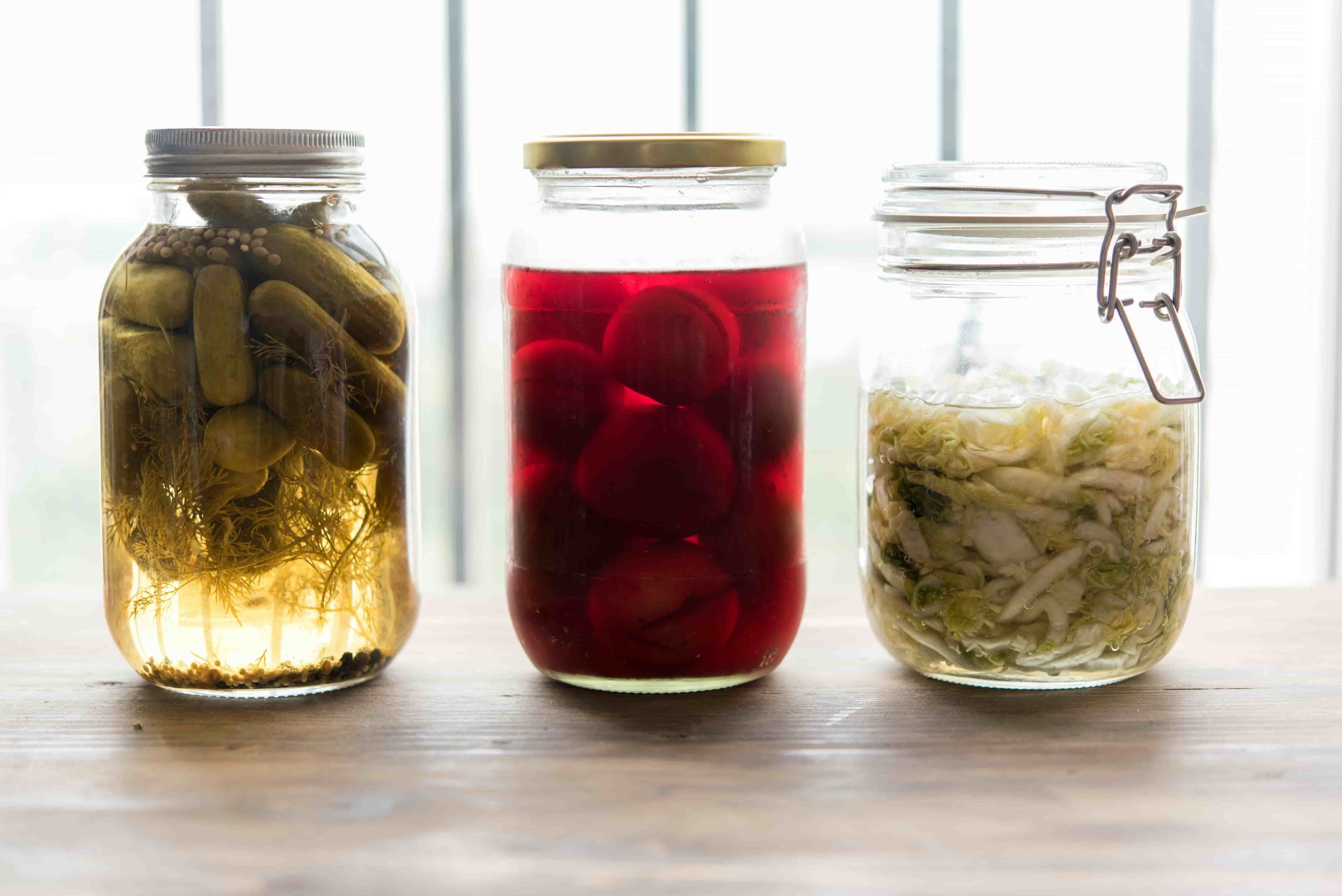
🥬 Small amounts of sauerkraut
🍞 Sourdough bread
🫘 Tempeh or miso
🥕 Other traditionally fermented vegetables
But don't feel that you have to eat them to have a healthy gut. If you currently have significant bloating, pain, diarrhoea or constipation, I'd suggest starting with small portions rather than suddenly adding several fermented foods at once.
The bigger picture
Your gut doesn't need the latest “superfood”. It needs an overall diet that provides adequate nutrition, fibre and variety, alongside consideration of your individual symptoms, lifestyle and tolerance. For some people, fermented foods may be a useful addition. For others, particularly those with a very sensitive digestive system, introducing them at the wrong time or in large amounts may simply mean more bloating, more gas and another food to worry about. The goal isn't to eat more foods labelled as “good for your gut”.
It's to work out what actually works for your gut.
And that's a very different approach.
References
1. Dimidi E, Cox SR, Rossi M, Whelan K. Fermented Foods: Definitions and Characteristics, Impact on the Gut Microbiota and Effects on Gastrointestinal Health and Disease. Nutrients. 2019;11(8):1806.
2. Marco ML, Sanders ME, Gänzle M, et al. The International Scientific Association for Probiotics and Prebiotics (ISAPP) consensus statement on fermented foods. Nature Reviews Gastroenterology & Hepatology. 2021;18:196–208.
3. Mukherjee A, et al. Impact of fermented foods consumption on gastrointestinal wellbeing in healthy adults: a systematic review and meta-analysis. Frontiers in Nutrition. 2025.
4. Ding L, Duan J, Yang T, et al. Efficacy of fermented foods in irritable bowel syndrome: a systematic review and meta-analysis of randomized controlled trials. Frontiers in Nutrition. 2025;11:1494118.
5. Nielsen ES, Garnås E, Jensen KJ, et al. Lacto-fermented sauerkraut improves symptoms in IBS patients independent of product pasteurisation – a pilot study. Food & Function. 2018.