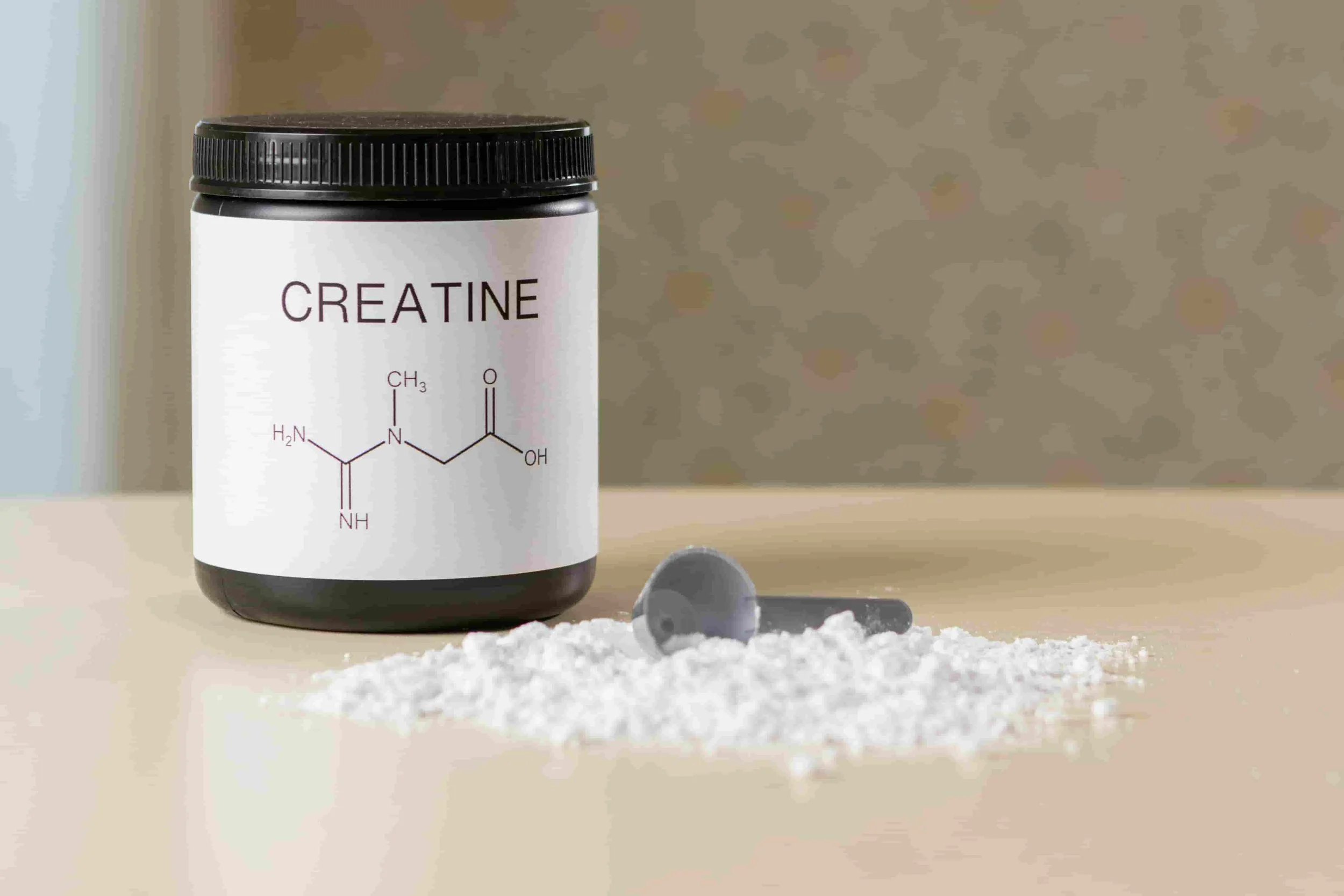
Can Creatine Affect Digestive Health? Benefits, Side Effects & How to Take It Without Upsetting Your Gut
Creatine is one of the most researched supplements available, known for improving strength, power and exercise performance. While it's often associated with athletes and bodybuilders, creatine is increasingly being used by women, older adults and anyone looking to support muscle mass, brain health and healthy ageing. However, if you struggle with bloating, IBS or other digestive symptoms, you may be trying to figure out if creatine can actually make things worse.
The answer isn't as straightforward as yes or no, what works for one person might not work for another. While creatine itself isn't harmful to the gut, some people do experience digestive side effects. Understanding why this could happen can help you decide whether creatine is right for you or not and how to mitigate these affects.
What is creatine?
Creatine is a naturally occurring compound. Around 95% of the body's creatine is stored in skeletal muscle, where it helps produce ATP, the body's main source of energy during short bursts of high-intensity activity.
Although we obtain small amounts through foods such as red meat and fish, supplementation significantly increases muscle creatine stores.
Research consistently shows that creatine supplementation can:
Increase muscle strength and power
Improve exercise performance
Support recovery between training sessions
Help preserve muscle during ageing
Support cognitive function in some individuals
Potentially benefit women during different stages of life, including menopause
Does creatine affect digestion?
For most healthy individuals, creatine is well tolerated. However, digestive symptoms can occur, particularly when large amounts are taken at once.
Some of the most common digestive complaints include:
Bloating
Stomach discomfort
Nausea
Loose stools or diarrhoea
Mild abdominal cramping
These symptoms can often be related to how creatine is taken rather than the actual supplement itself.
Why can creatine cause digestive symptoms?
1. Taking too much at once
The most common cause of digestive discomfort is from consuming a large dose in one go. Many "loading" protocols recommend taking around 20g per day for five to seven days, split into four doses. If these doses are taken incorrectly or too close together, excess creatine remaining in the intestine can draw water into the bowel through osmosis.
This may lead to:
Loose stools
Abdominal cramping
Bloating
For most people, a loading phase isn't necessary. Taking 3–5 g daily will gradually saturate muscle stores over several weeks while reducing the likelihood of digestive side effects.
2. Poor-quality supplements
Not all creatine supplements are created equal. Lower-quality products may contain impurities, fillers or poorly manufactured ingredients that can contribute to digestive irritation. Choosing a high-quality creatine monohydrate from a reputable manufacturer is generally recommended.
3. Inadequate fluid intake
Creatine increases water storage within muscle cells. If overall fluid intake is low, some people may notice headaches or mild digestive discomfort. Staying adequately hydrated is very important specially while taking creatine, this is going to support both exercise performance and digestive function.
4. Existing digestive conditions
Individuals with IBS or sensitive digestive systems may be more aware of any changes after introducing a new supplement. However, current evidence does not suggest that creatine damages the gut lining or directly worsens IBS. Instead, symptoms may occur because the digestive tract is already more sensitive. It may be important to deal with any ongoing digestive issues before deciding to take creatine.
Could creatine actually benefit gut health?
Although creatine isn't considered a gut health supplement, emerging research suggests there may be interesting links between creatine metabolism and intestinal health.
Preliminary studies indicate creatine may:
Support energy production in intestinal cells
Help maintain the integrity of the intestinal barrier
Potentially assist recovery after intestinal stress
Influence immune function within the gut
Most of this evidence currently comes from laboratory or animal research, so more human studies are needed before firm conclusions can be made. At present, creatine should not be viewed as a treatment for IBS, inflammatory bowel disease or other digestive disorders.
Which type of creatine is best?
Despite the marketing around different forms of creatine, creatine monohydrate remains the gold standard.
It has:
The largest body of scientific evidence
Excellent safety data
High effectiveness
Good affordability
Other forms, such as creatine hydrochloride (HCl), buffered creatine and creatine ethyl ester, have not consistently demonstrated superior absorption or fewer digestive side effects.
Tips to minimise digestive side effects
If you experience bloating or stomach discomfort, try the following:
Start with 3 g daily instead of loading.
Take creatine with a meal.
Mix it thoroughly into plenty of water.
Drink adequate fluids throughout the day.
Divide the dose if needed.
Choose a reputable creatine monohydrate product.
Many people who initially experience digestive symptoms find these simple adjustments resolve the problem.
Should people with IBS take creatine?
Having IBS doesn't automatically mean you should avoid creatine.If your symptoms are reasonably well controlled, many people tolerate creatine monohydrate without difficulty.
However, if you're currently experiencing a flare-up with significant diarrhoea, abdominal pain or bloating, it may be sensible to stabilise your digestive symptoms before introducing any new supplement. As always, supplements should be considered alongside diet, sleep, stress management and exercise rather than as a replacement for these foundations.
The bottom line
Creatine is one most extensively researched supplements available. For most people, it does not harm digestive health. When digestive symptoms occur, they're usually linked to large doses, poor supplementation practices or an already sensitive gut rather than creatine itself.
If digestive symptoms persist despite these changes, it's worth investigating whether there are underlying gut issues contributing to your symptoms rather than assuming creatine is the cause.
References
Antonio J, Candow DG, Forbes SC, et al. (2021). Common questions and misconceptions about creatine supplementation: what does the scientific evidence really show? Journal of the International Society of Sports Nutrition, 18(13).
Kreider RB, Kalman DS, Antonio J, et al. (2017). International Society of Sports Nutrition position stand: safety and efficacy of creatine supplementation in exercise, sport and medicine. Journal of the International Society of Sports Nutrition, 14(18).
Maughan RJ, Burke LM, Dvorak J, et al. (2018). IOC consensus statement: dietary supplements and the high-performance athlete. British Journal of Sports Medicine, 52(7), 439–455.
Balsom PD, Söderlund K, Ekblom B. (1994). Creatine in humans with special reference to creatine supplementation.Sports Medicine, 18(4), 268–280.
Nomura A, Kamei A, Sato Y, et al. (2024). Creatine metabolism and intestinal epithelial barrier function: emerging mechanisms and therapeutic potential. Nutrients, 16, 1187.
Wallimann T, Tokarska-Schlattner M, Schlattner U. (2011). The creatine kinase system and pleiotropic effects of creatine.Amino Acids, 40(5), 1271–1296.